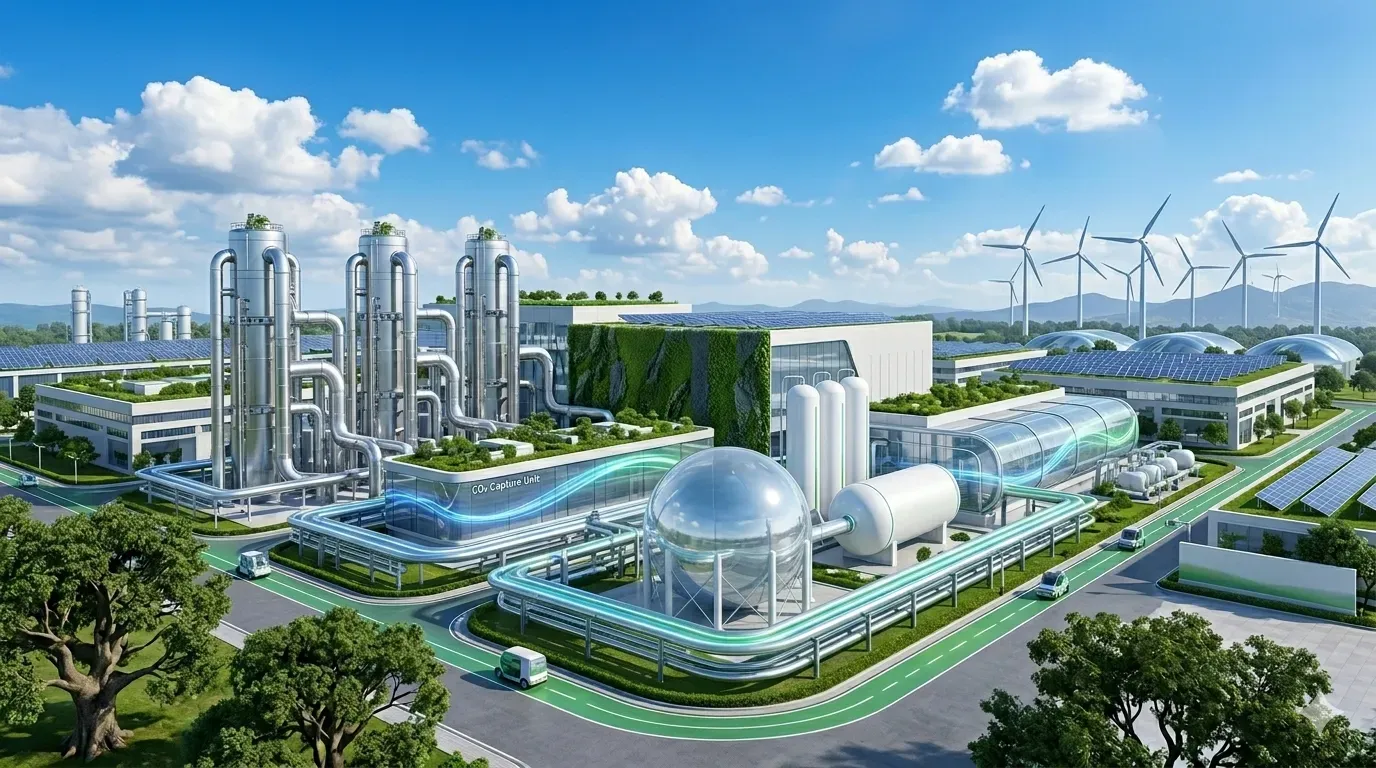
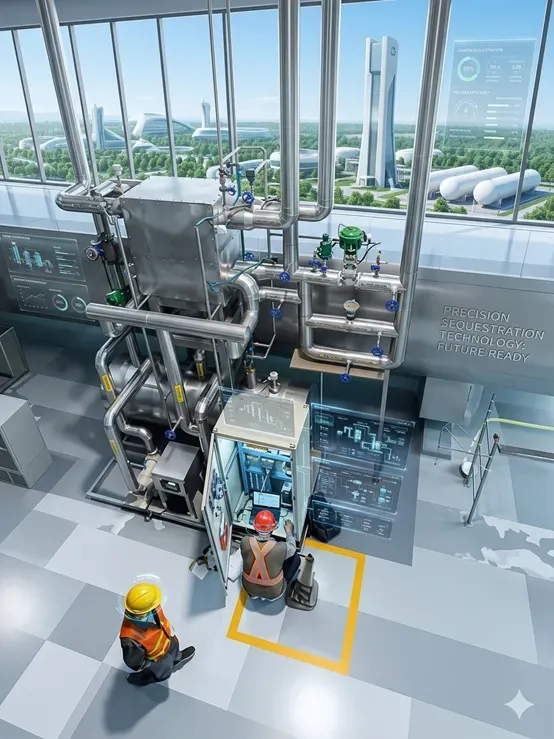
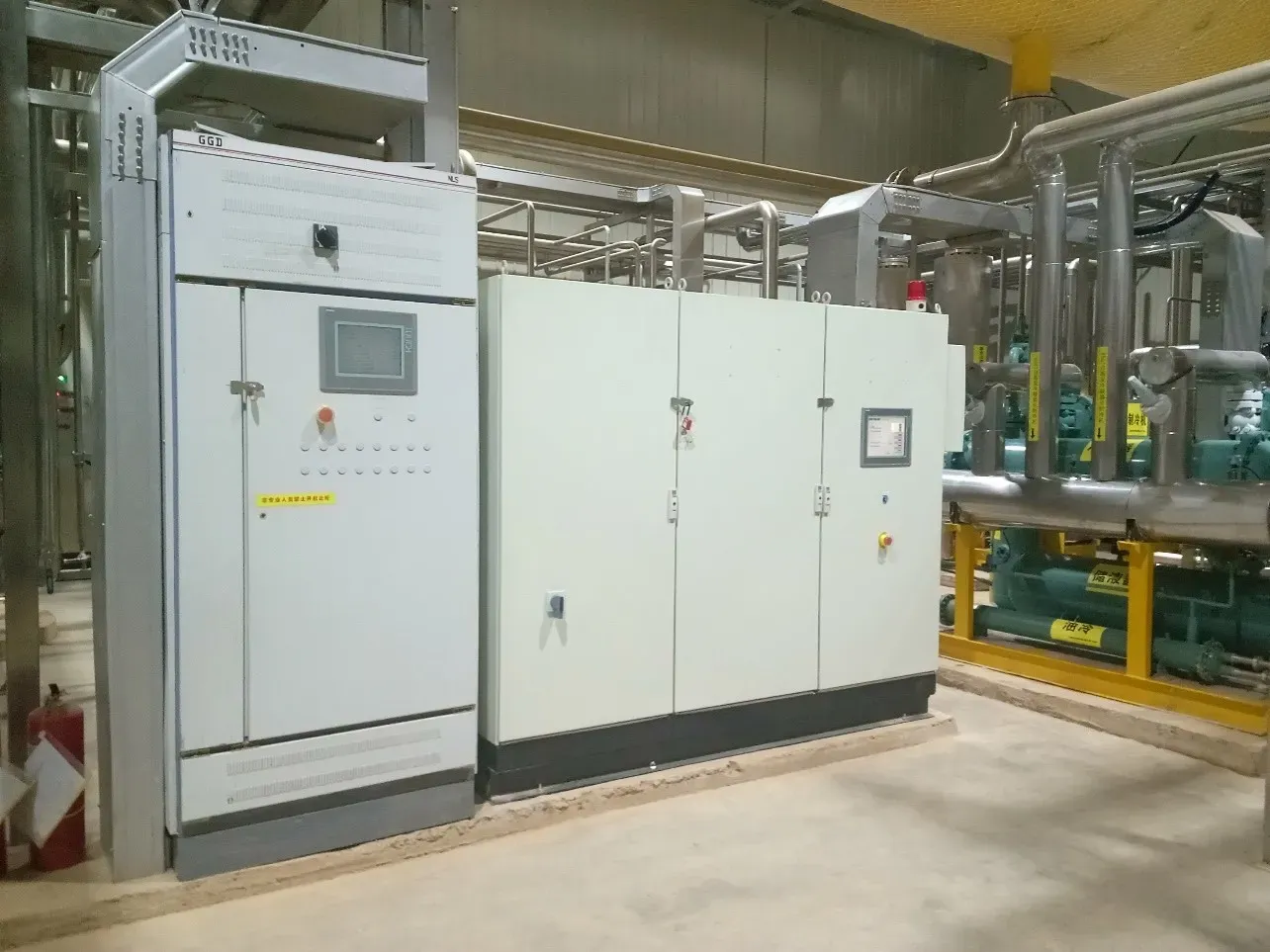
From Purified CO₂ Gas to Liquid CO₂
Liquefaction is the stage where purified gaseous CO₂ is converted into a commercially usable liquid product. Although the principle is straightforward, stable liquefaction requires precise control of temperature, pressure, liquid level, and gas-liquid separation.
The process begins only after the CO₂ has been adequately purified and dried. This is essential because moisture and trace impurities can affect phase behavior, equipment performance, and final liquid CO₂ quality.
1. Purified CO₂ Feed
Purified and dried CO₂ enters the liquefaction unit under controlled pressure and flow conditions. The upstream purification system ensures that the gas meets the required conditions for liquefaction.
2. Controlled Cooling
The CO₂ is cooled through an integrated refrigeration and heat-exchange system. The operating temperature and pressure are carefully controlled to achieve efficient condensation.
3. CO₂ Condensation
When the CO₂ reaches the required thermodynamic conditions, part of the gas changes phase from gas to liquid. The resulting two-phase stream is directed to the gas-liquid separation section.
4. Gas-Liquid Separation
The liquid CO₂ is separated from the remaining gas phase through a dedicated separator. Proper control of gas velocity, residence time, pressure, and liquid level helps improve separation efficiency.
The liquid CO₂ is then transferred to the storage system, while the remaining gas is managed according to the overall process configuration.
5. Non-Condensable Gas Management
Not all components in a CO₂ stream condense under the same conditions. N₂, O₂, H₂, and other non-condensable gases may remain in the gas phase while CO₂ is liquefied.
Appropriate venting, separation, or recycle arrangements can be incorporated to prevent non-condensable gases from accumulating and affecting liquefaction efficiency or product quality.
________________________________________
Integration with the Refrigeration System
The CO₂ Liquefaction Unit and Refrigeration Unit perform complementary functions.
The liquefaction unit is responsible for the CO₂ condensation and gas-liquid separation process, while the refrigeration system provides the cooling capacity required to achieve the target operating conditions.
YTC integrates these systems according to the required CO₂ capacity, ambient conditions, operating pressure, and energy requirements to achieve reliable and efficient operation.
________________________________________
Feed Gas Quality and Product Purity
The liquefaction unit itself does not determine the final CO₂ purity. Liquid CO₂ quality depends on the complete upstream treatment and purification process.
Before entering the liquefaction section, the CO₂ should be appropriately treated to control:
• Moisture
• Oxygen
• Nitrogen
• Hydrocarbons
• Sulfur compounds
• Other process-specific trace impurities
YTC integrates washing, compression, adsorption, drying, purification, liquefaction, and final separation according to the characteristics of the feed gas and the required product specification.
Depending on the feed gas composition and process configuration, the complete system can produce liquid CO₂ with purity up to 99.998%.
________________________________________
Energy-Efficient Liquefaction
CO₂ liquefaction requires controlled refrigeration and significant cooling capacity. YTC optimizes the refrigeration and heat-exchange configuration according to actual operating conditions.
Where appropriate, the system can incorporate:
• Optimized heat exchange
• Refrigeration capacity control
• Process cold-energy integration
• Load-based operating control
• Automatic pressure and temperature regulation
These measures can help reduce energy consumption and maintain stable operation under varying CO₂ production rates.
________________________________________
Flexible Capacity and Plant Integration
YTC’s CO₂ recovery systems cover capacities from approximately 80 kg/h to 20,000 kg/h, allowing the liquefaction section to be engineered for different plant sizes.
The design can be adapted according to:
• CO₂ production capacity
• Inlet gas conditions
• Operating pressure
• Ambient temperature
• Liquid CO₂ storage capacity
• Downstream CO₂ demand
• Required product specification
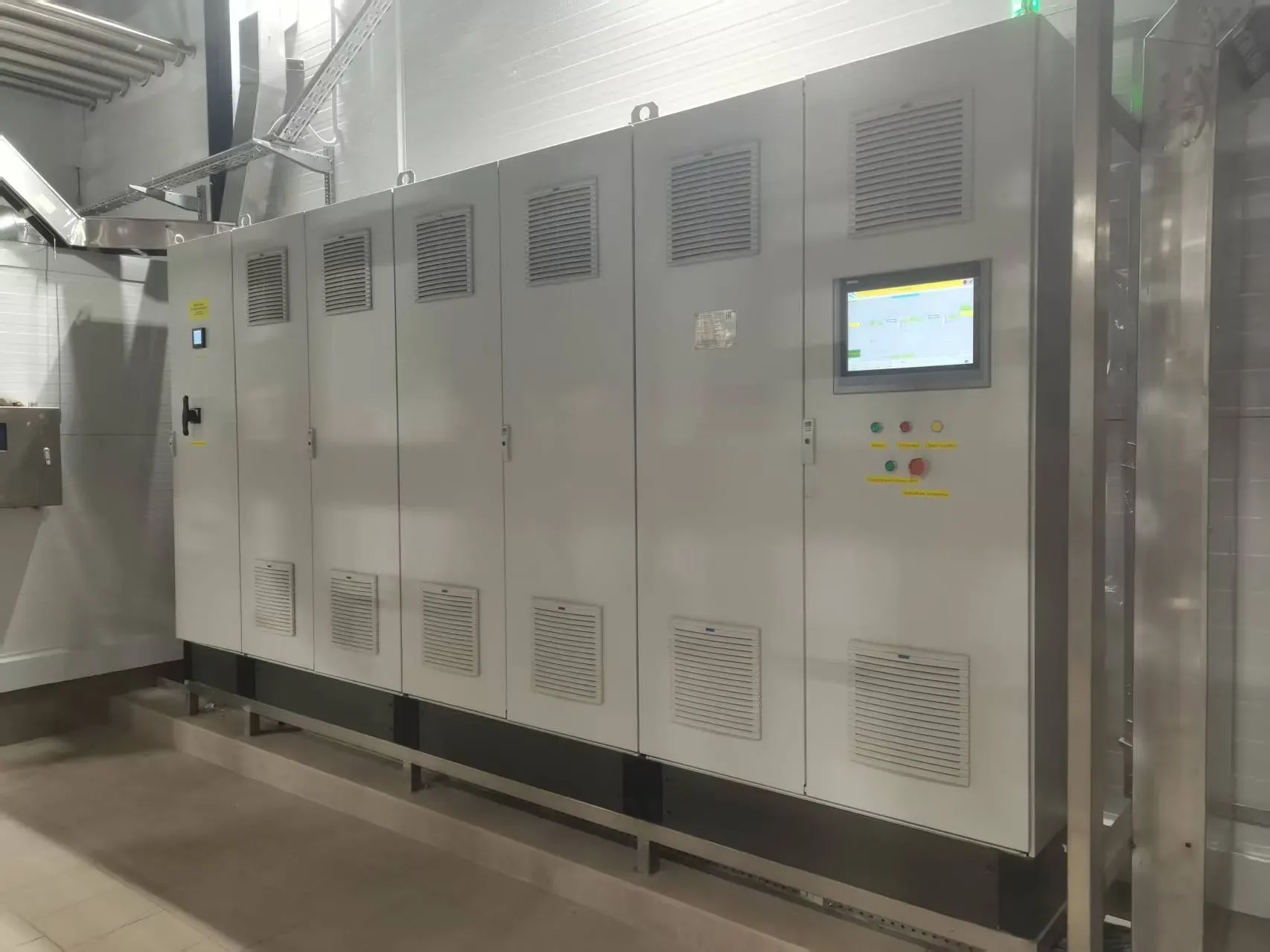
The liquefaction unit can be integrated with existing or new CO₂ purification, refrigeration, storage, DCS, and control systems.
________________________________________
Liquid CO₂ Transfer and Storage
After gas-liquid separation, the recovered liquid CO₂ is transferred to an insulated storage tank through a controlled transfer system.
Pressure, temperature, and liquid level are continuously monitored to maintain stable storage conditions. The storage system provides a buffer between continuous CO₂ production and downstream consumption, transportation, or commercial distribution.
________________________________________
YTC CO₂ Liquefaction Solution
YTC provides integrated CO₂ purification, liquefaction, refrigeration, storage, and automatic control solutions for food-grade, industrial-grade, and other high-purity CO₂ applications.
With 16+ years of experience in CO₂ treatment and recovery and 200+ CO₂ projects completed worldwide, YTC combines process engineering, equipment manufacturing, installation, commissioning, and technical support within a complete project solution.
From purified CO₂ gas to stable liquid CO₂ production, YTC designs the liquefaction system around the customer’s capacity, feed gas conditions, product specification, storage requirements, and operating environment.