How Ethanol Distillation Works
After fermentation, the fermented mash contains ethanol together with a large quantity of water, dissolved and suspended solids, volatile compounds and fermentation by-products.
The purpose of the distillation section is to separate ethanol from this complex mixture and progressively concentrate and purify it.
A typical process can include:
Fermented Mash
↓
Crude Distillation
↓
Rectification
↓
Water Washing / Impurity Separation
↓
Methanol & Light-Component Separation
↓
Fusel Oil Separation
↓
Final Ethanol Purification
↓
Finished Ethanol
Where anhydrous ethanol is required, concentrated ethanol is subsequently sent to a dedicated dehydration system.
________________________________________
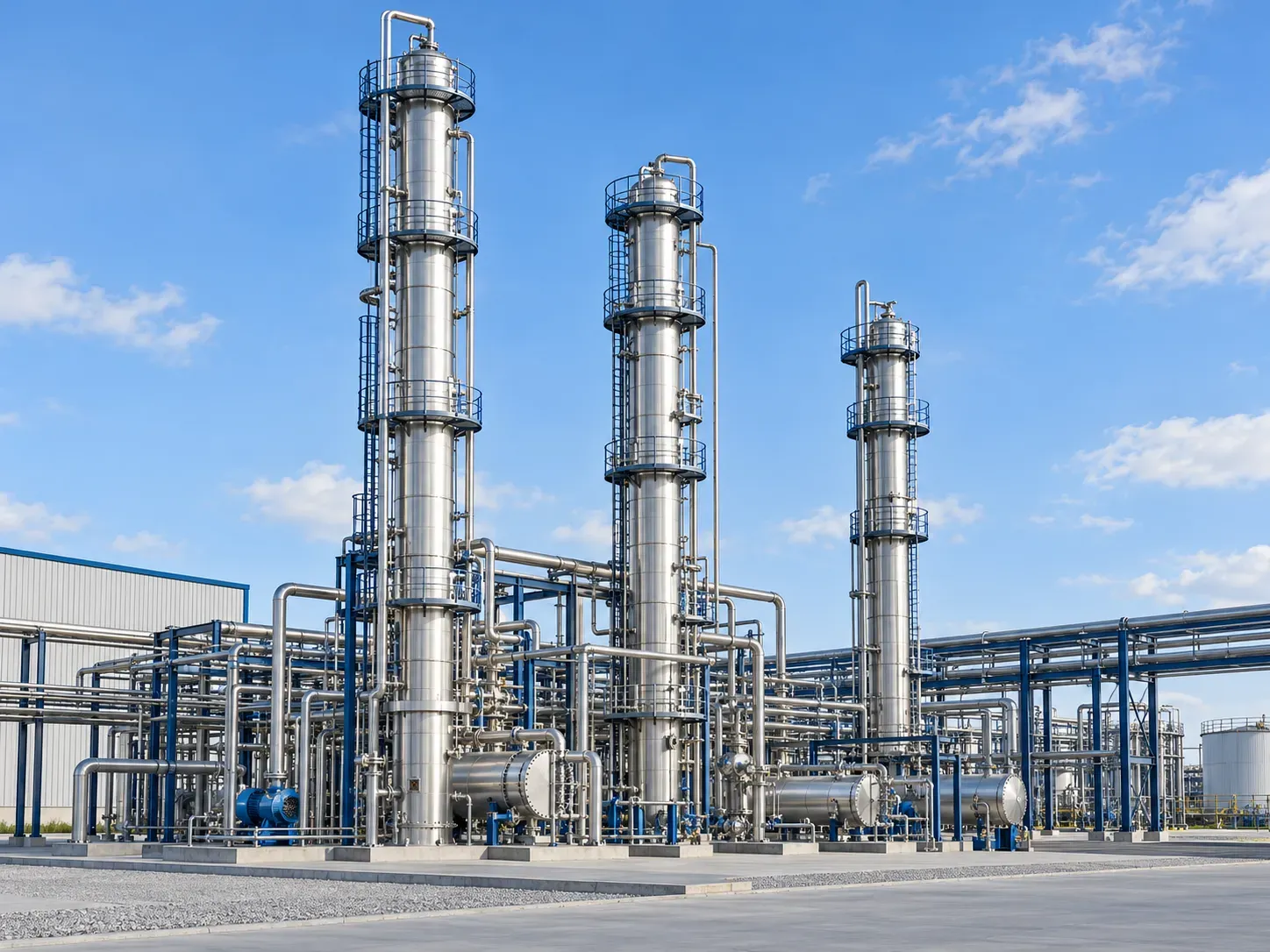
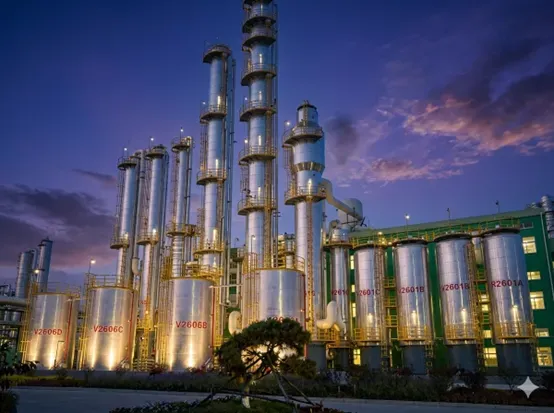
Multi-Column Distillation & Rectification
The required column arrangement depends on the feedstock, fermented mash composition, final ethanol specification, plant capacity and energy target.
Depending on project requirements, YTC can configure process functions including:
• Crude distillation
• Rectification
• Water washing
• Methanol separation
• Light-component removal
• Heavy-component removal
• Fusel oil separation
• Impurity concentration
• Ethanol recovery from process streams
Rather than applying one fixed column configuration to every plant, YTC selects the process arrangement according to the actual separation duty and required product quality.
________________________________________
Energy-Saving Multi-Pressure Distillation
Reduce Steam Consumption Through Process Integration
Steam consumption is one of the major operating costs of an ethanol production plant.
YTC can apply multi-pressure and differential-pressure distillation to improve thermal-energy utilization across the distillation system.
Different columns can operate at different pressure and temperature levels. Where process conditions permit, vapor or condensation heat generated in one section can be used as a heat source for another section.
This heat-integration strategy can help:
• Reduce external steam demand
• Improve thermal-energy utilization
• Reduce cooling-water demand
• Recover process heat
• Lower operating costs
• Improve overall plant energy efficiency
The final heat-integration configuration is engineered according to plant capacity, feed composition, ethanol specification and available utilities.
________________________________________
Edible Alcohol Distillation
For edible alcohol applications, the distillation system can incorporate additional purification stages to control volatile and trace impurities that affect product quality.
A typical multi-column concept may include:
Crude Distillation Column → Water-Washing Column → Rectification Column → Methanol Column → Recovery Column → Impurity Removal
The actual process is selected according to the required alcohol specification and feedstock characteristics.
________________________________________
Industrial & High-Purity Ethanol
For industrial ethanol production, YTC can optimize the process around the required ethanol concentration and downstream application.
Where higher-purity ethanol is required, additional rectification and impurity-removal stages can be incorporated into the system.
If anhydrous ethanol is required, the distillation system can be directly integrated with a downstream molecular-sieve ethanol dehydration system.
________________________________________
Feedstock Flexibility
The distillation section can be engineered for fermented mash originating from different feedstocks, including:
• Corn
• Cassava
• Wheat
• Sorghum
• Rice
• Potato
• Sweet potato
• Sugarcane
• Molasses
Different feedstocks generate different fermented-mash compositions and impurity profiles. The distillation process must therefore be selected as part of the overall ethanol production design rather than as an isolated equipment package.
________________________________________
PLC / DCS Automatic Control
The distillation system can be integrated into the plant PLC or DCS platform.
Key operating parameters can include:
• Column pressure
• Column temperature
• Feed flow
• Reflux flow
• Steam flow
• Liquid level
• Product concentration
• Cooling-water conditions
• Equipment status
• Alarm and interlock status
Centralized control helps maintain stable separation conditions and consistent ethanol production.
________________________________________
Integrated with the Complete Ethanol Plant
YTC can integrate the distillation system with the complete ethanol production process:
Feedstock Preparation → Liquefaction & Saccharification → Fermentation → Distillation & Rectification → Dehydration → Finished Ethanol Storage
At the same time:
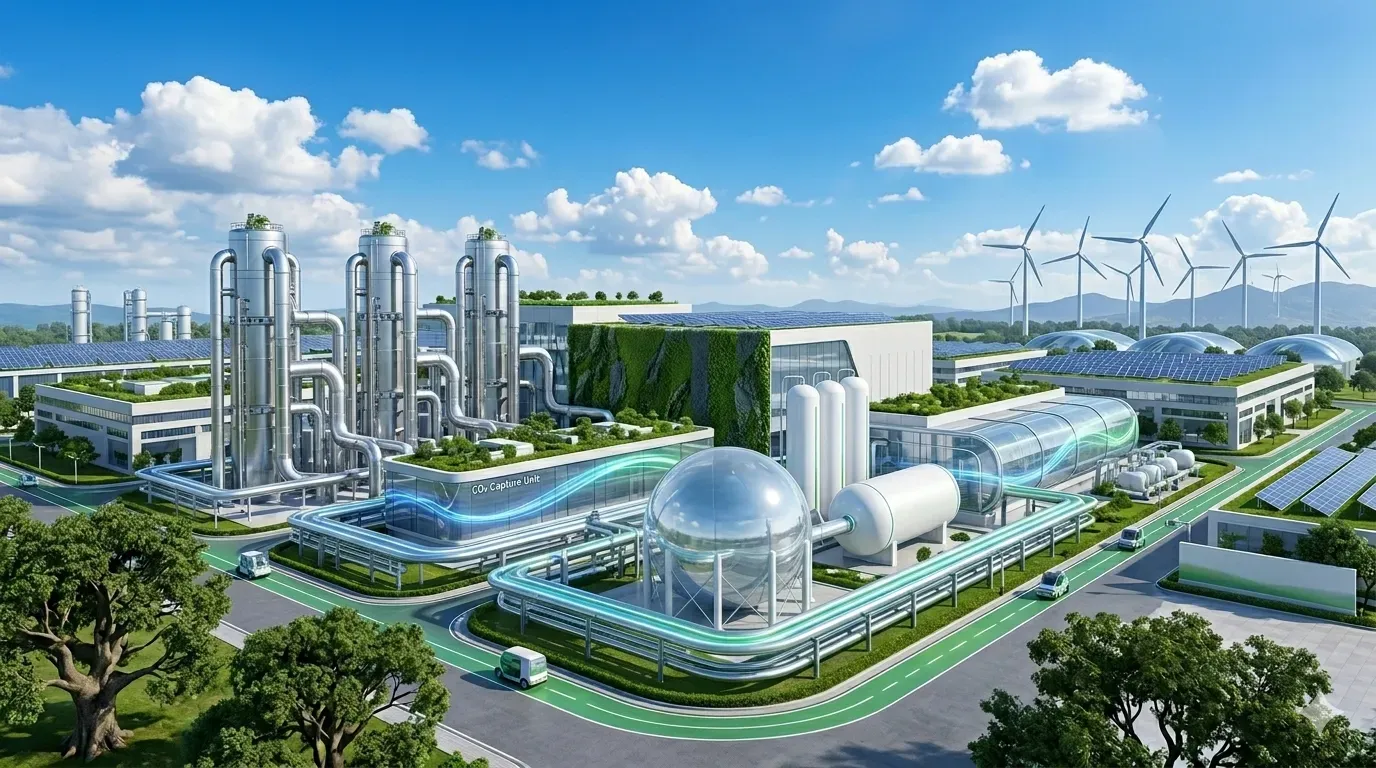
Fermentation CO₂ → Recovery → Purification → Liquefaction → Liquid CO₂
and:
Stillage → Resource Recovery / Treatment
This integrated approach allows distillation, energy recovery, CO₂ utilization and by-product management to be considered together during plant engineering.
________________________________________
YTC Ethanol Distillation Engineering
YTC can provide project support including process evaluation, process design, column and equipment engineering, heat integration, equipment supply, automation, installation guidance, commissioning and technical support.
Each distillation system is engineered according to the customer’s feedstock, plant capacity, fermented mash composition, required ethanol specification, utility conditions and operating requirements.