How Ethanol Fermentation Works
During alcoholic fermentation, yeast converts fermentable sugars into ethanol and carbon dioxide.
A simplified biochemical relationship can be represented as:
C₆H₁₂O₆ → 2 C₂H₅OH + 2 CO₂
The objective of an industrial fermentation system is not simply to provide fermentation tanks, but to maintain suitable and repeatable biological and process conditions across the production cycle.
Stable fermentation directly influences ethanol yield, downstream distillation load, production consistency and CO₂ generation.
________________________________________
Typical Fermentation Process
For starch-based feedstocks:
Liquefaction
↓
Saccharification
↓
Fermentable Sugar Mash
↓
Yeast Addition
↓
Controlled Fermentation
↓
Fermented Mash
↓
Distillation & Rectification
At the same time:
Fermentation CO₂
↓
CO₂ Collection
↓
Optional CO₂ Recovery & Liquefaction
For sugar-based feedstocks such as molasses, the upstream preparation route is different because fermentable sugars are already present and extensive starch conversion is not required.
________________________________________
Fermentation Process Control
Successful industrial fermentation requires coordinated control of multiple biological and process variables.
Important parameters can include:
Temperature
Fermentation generates heat. Appropriate cooling and temperature control are required to maintain suitable conditions for yeast activity.
pH
The fermentation environment must be maintained within the selected process range to support stable yeast performance.
Sugar Concentration
The concentration and availability of fermentable sugars influence fermentation behavior and ethanol production.
Fermentation Time
Residence time is selected according to feedstock, yeast system, process configuration and production objectives.
Yeast Activity
Yeast preparation, addition and activity have a direct influence on fermentation performance.
Nutrient Addition
Nutrients can be dosed according to the selected fermentation technology and feedstock requirements.
Fermenter Level
Stable level management supports consistent operation and coordinated batch or continuous production.
Cooling Conditions
Cooling capacity must be matched to fermentation heat generation and local ambient conditions.
________________________________________
Fermentation System Components
Depending on the selected process, the fermentation section can include:
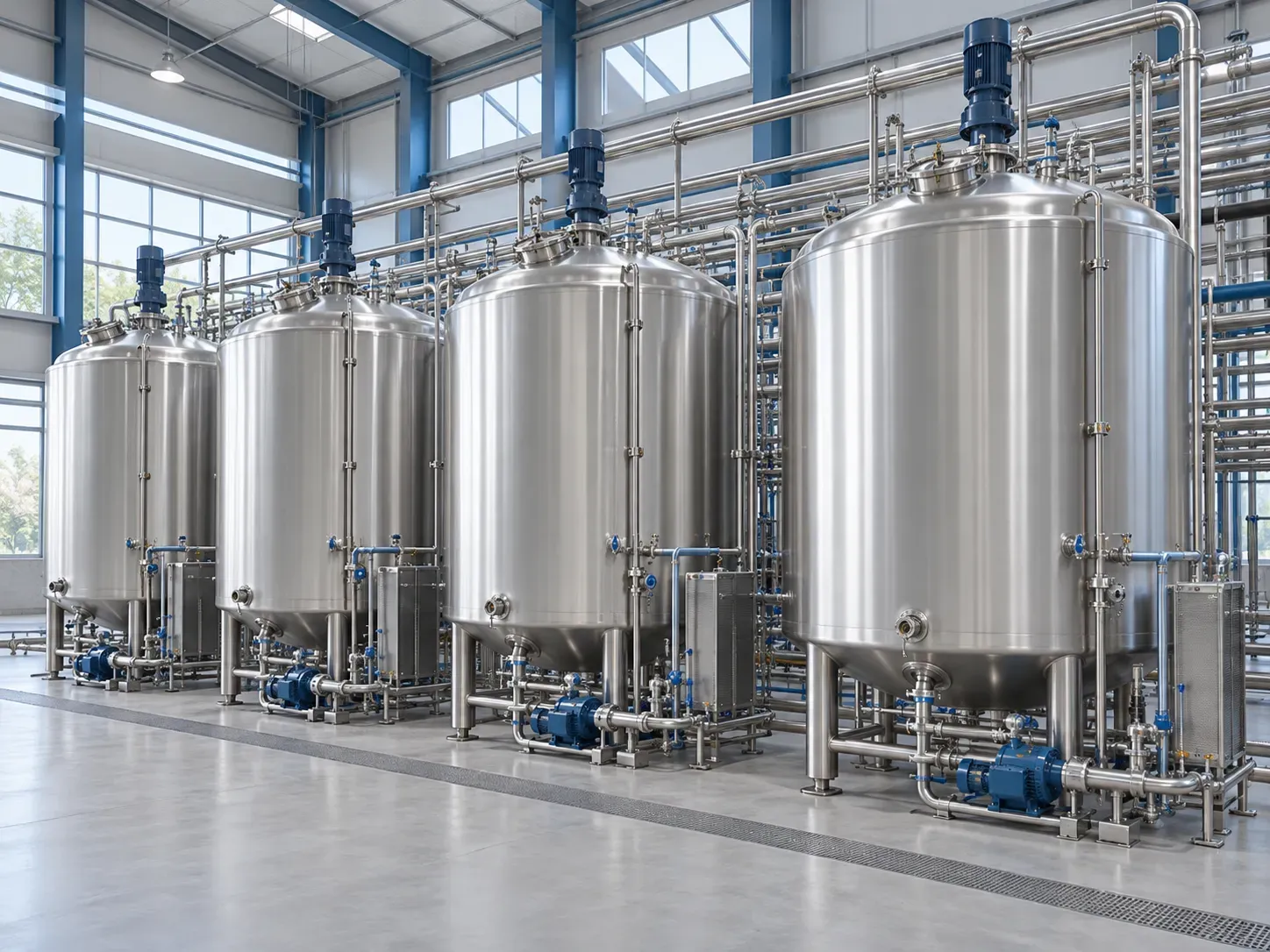
• Fermentation tanks
• Mash distribution system
• Yeast preparation and dosing
• Nutrient dosing
• Fermentation cooling
• Heat exchangers
• Agitation or circulation systems
• Cleaning and washing interfaces
• Temperature and level instrumentation
• CO₂ collection piping
• Pumps and process piping
• PLC / DCS control
The final equipment configuration is determined according to the selected fermentation technology and project requirements.
________________________________________
Different Feedstocks, Different Fermentation Strategies
YTC ethanol plants can be engineered around both starch-based and sugar-based raw materials.
Starch-Based Feedstocks
Corn, cassava, wheat, rice, sorghum and potatoes require upstream starch conversion before fermentation.
The process typically includes:
Milling → Slurry Preparation → Liquefaction → Saccharification → Fermentation
Sugar-Based Feedstocks
Molasses and other sugar-containing feedstocks already contain fermentable sugars.
Their preparation and fermentation strategy is therefore configured differently according to sugar concentration, impurities and feedstock characteristics.
________________________________________
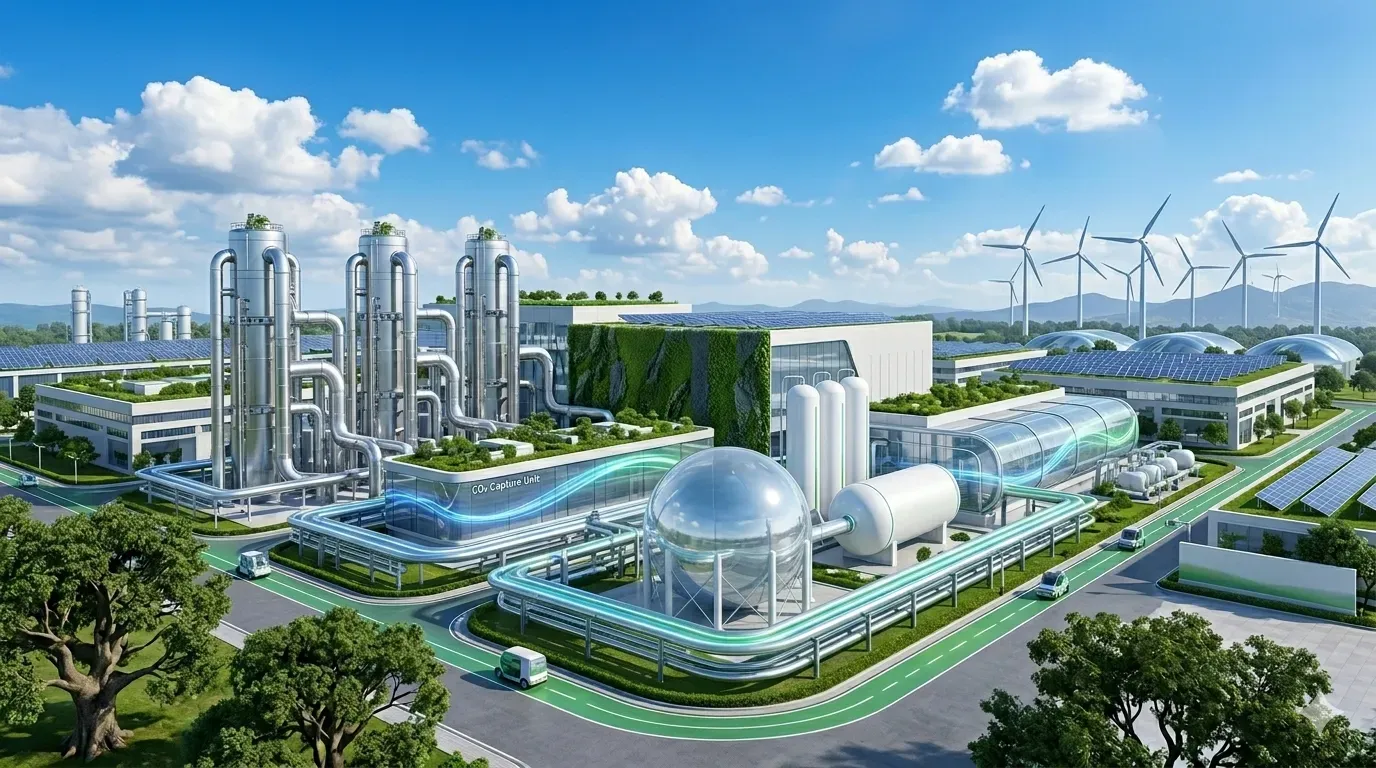
Fermentation CO₂ as a Valuable Co-Product
CO₂ is naturally generated together with ethanol during fermentation.
Instead of treating fermentation CO₂ only as a vent stream, YTC can integrate the fermentation system with a dedicated CO₂ recovery plant.
The integrated route can include:
Fermentation → CO₂ Collection → Washing → Compression → Purification & Drying → Liquefaction → High-Purity Liquid CO₂
This enables the ethanol plant to produce a second commercially useful product from the same feedstock.
________________________________________
PLC / DCS Fermentation Control
The fermentation system can be integrated into the plant-wide PLC or DCS system.
Operators can monitor important parameters including:
• Fermenter temperature
• pH
• Liquid level
• Feed flow
• Cooling-water conditions
• Fermentation time
• Equipment status
• Valve status
• CO₂ collection conditions
• Alarm and interlock status
The fermentation controls can also be coordinated with upstream mash preparation and downstream distillation.
________________________________________
Integrated Ethanol Production
YTC considers fermentation as part of the complete ethanol-production process:
Feedstock → Preparation → Liquefaction / Saccharification → Fermentation → Distillation → Dehydration → Finished Ethanol
with simultaneous utilization of:
Fermentation Gas → CO₂ Recovery → High-Purity Liquid CO₂
This integrated approach allows the fermentation, ethanol production and CO₂ recovery sections to be engineered around one overall mass and energy balance.
________________________________________
YTC Fermentation System Engineering
YTC can provide fermentation process engineering, equipment supply, plant integration, instrumentation and control, installation guidance, commissioning and technical support as part of a complete ethanol production project.
Each system is configured according to the customer’s feedstock, required ethanol capacity, fermentation process, utility conditions, downstream ethanol specification and CO₂ utilization strategy.