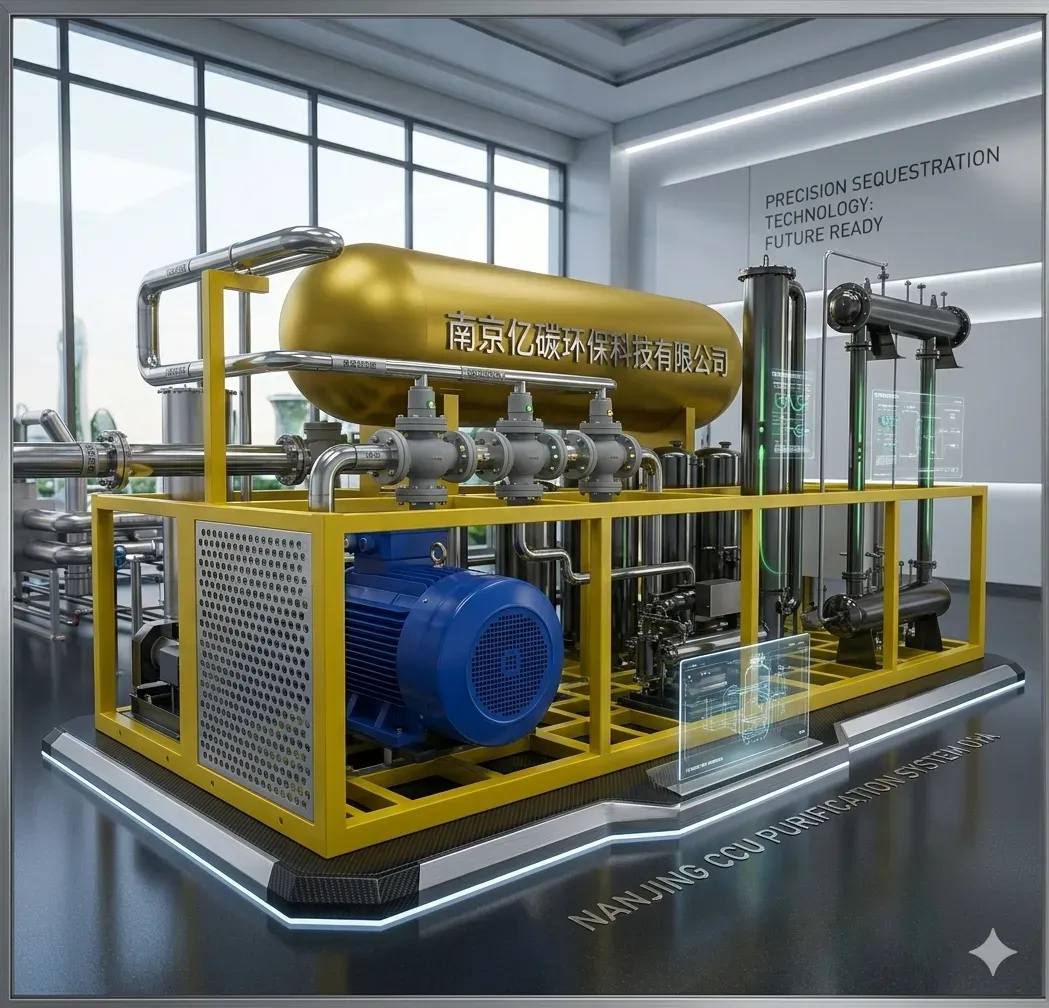
CO₂ Recovery from Different Industrial Gas Sources
The composition of industrial gas streams varies significantly from one process to another. YTC selects the appropriate treatment and purification technologies according to the characteristics of the feed gas.
1. Low-Concentration Flue Gas CO₂ Recovery
Industrial flue gas from boilers, power plants, cement plants, lime kilns, steel plants, and other combustion processes may contain relatively low concentrations of CO₂, typically around 8–35%, depending on the fuel and process conditions.
For these gas sources, a typical process route includes:
Flue Gas Pretreatment → CO₂ Absorption → CO₂ Desorption → Purification → Drying → Cooling & Liquefaction → Final Purification → Liquid CO₂ Storage
Chemical absorption technologies, such as MEA-based CO₂ capture, can be applied to selectively separate CO₂ from the flue gas. After desorption and concentration, the recovered CO₂ is further purified, dried, liquefied, and stored.
The specific process configuration is determined by the feed gas composition, CO₂ concentration, required recovery rate, energy conditions, and final CO₂ specification.
2. High-Concentration Chemical & Petrochemical CO₂ Recovery
Many chemical and petrochemical processes can generate CO₂-rich gas streams with significantly higher CO₂ concentrations, potentially reaching 80–99%, depending on the process.
Typical sources include:
• Petrochemical plants
• Fertilizer plants
• Hydrogen production plants
• Chemical processing plants
• Gas processing facilities
• Other CO₂-rich industrial streams
These gas streams may contain H₂S and other sulfur compounds, CO, H₂, N₂, O₂, hydrocarbons, benzene, moisture, and other trace impurities.
A typical treatment route may include:
Gas Washing → Gas-Liquid Separation → Adsorption → Desulfurization → Dehydration → Hydrocarbon Removal → Distillation → Liquefaction → Final Purification → Liquid CO₂ Storage
The purification sequence is customized according to the actual feed gas composition. Special attention can be given to sulfur compounds, hydrocarbons, oxygen, moisture, and other impurities that may affect the final CO₂ quality or downstream equipment.
From Industrial Gas to High-Purity Liquid CO₂
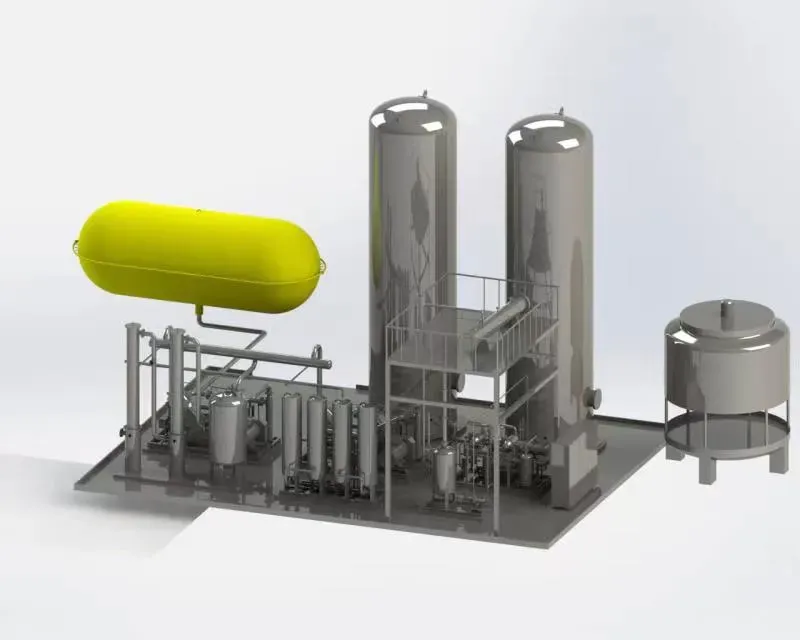
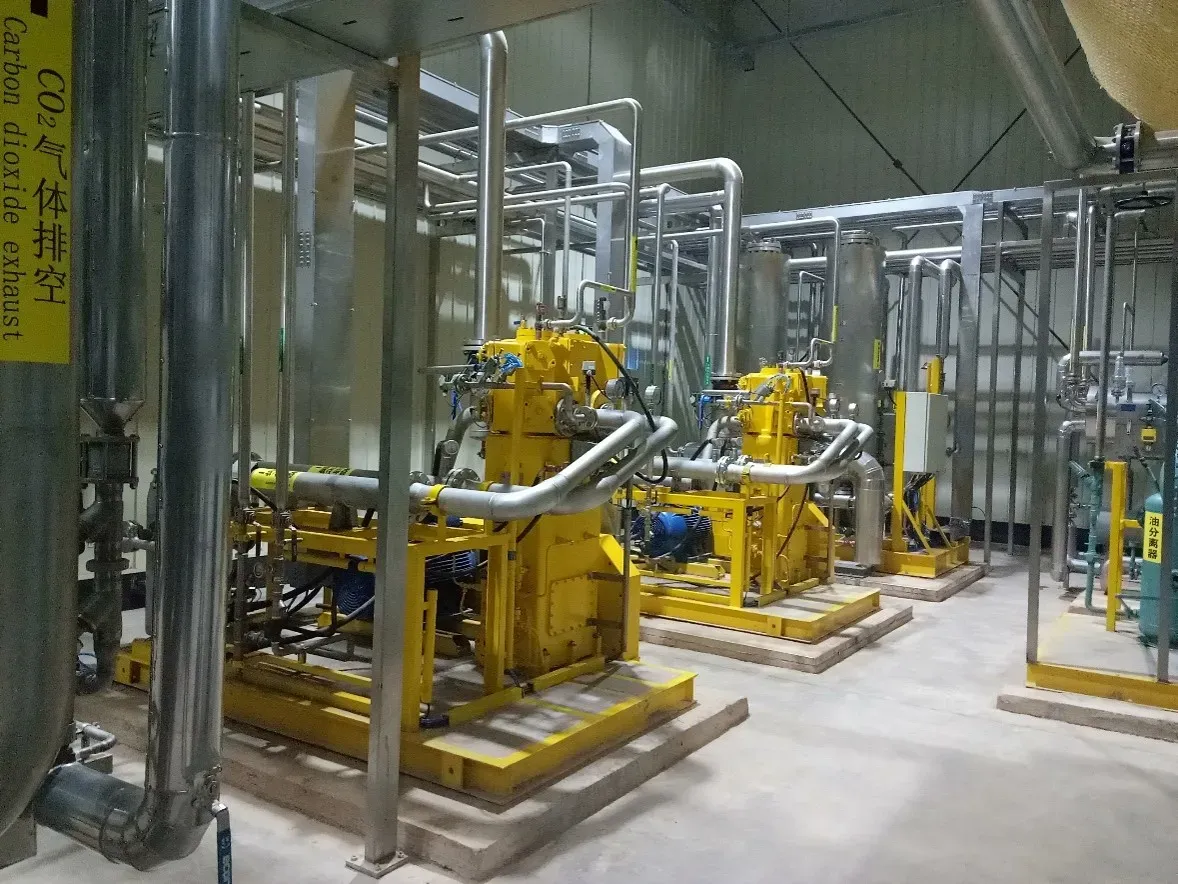
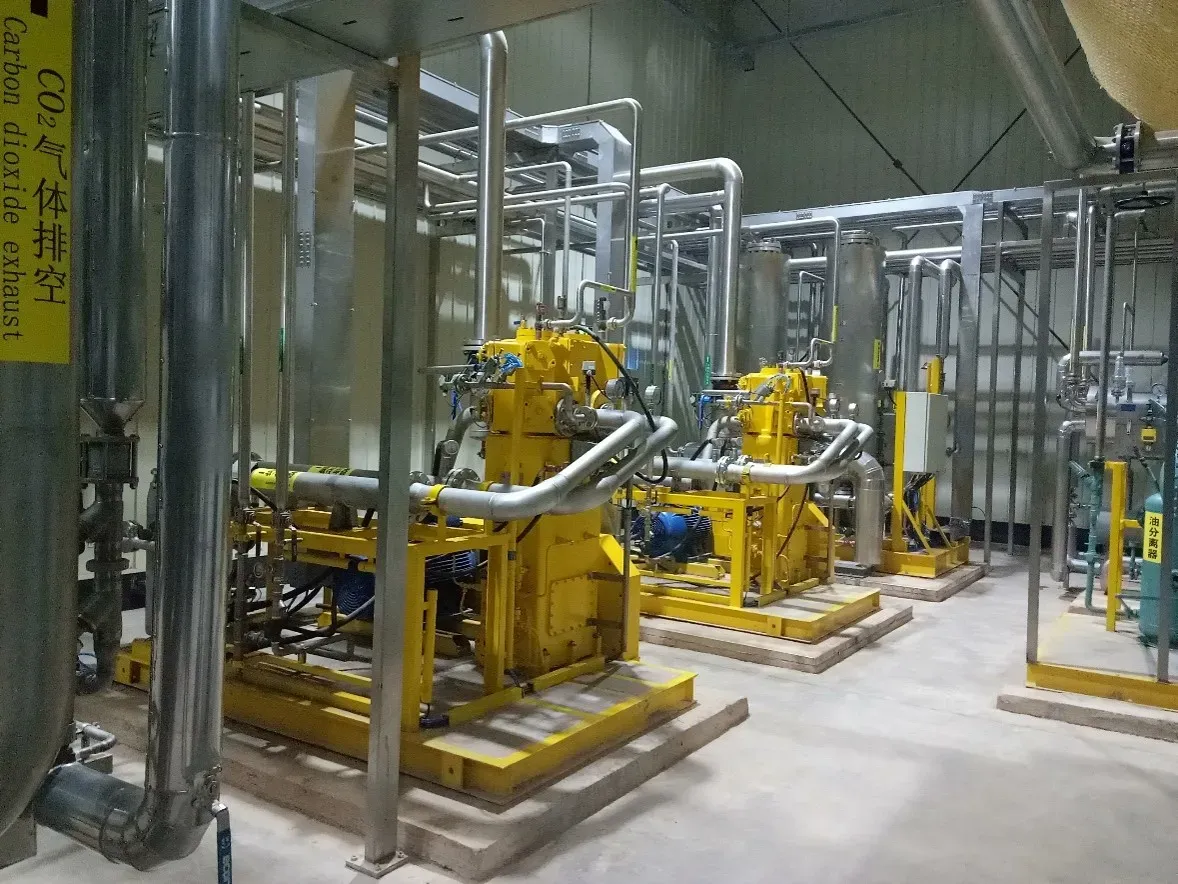
YTC’s CO₂ recovery systems integrate multiple treatment stages to convert industrial CO₂-containing gas into high-purity liquid CO₂.
Feed Gas Pretreatment
The incoming gas is first treated to remove particulates, liquid droplets, aerosols, and other contaminants that may affect downstream equipment.
CO₂ Separation and Recovery
Depending on the CO₂ concentration and gas characteristics, appropriate separation technologies are selected to recover CO₂ efficiently from the feed stream.
Purification and Drying
Advanced purification and adsorption processes remove moisture and trace impurities. Where required, dedicated desulfurization and hydrocarbon removal systems are incorporated into the process.
Liquefaction
After purification, the CO₂ is cooled and liquefied through an integrated refrigeration and liquefaction system. Non-condensable gases are separated during the liquefaction process.
Final Purification
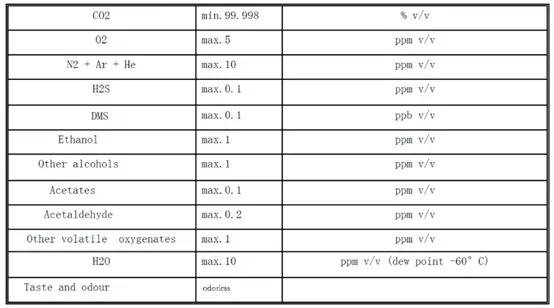
The liquid CO₂ can undergo additional purification and stripping to achieve the required product specification. Depending on the feed gas and process configuration, YTC systems can produce CO₂ purity up to 99.998%.
Liquid CO₂ Storage
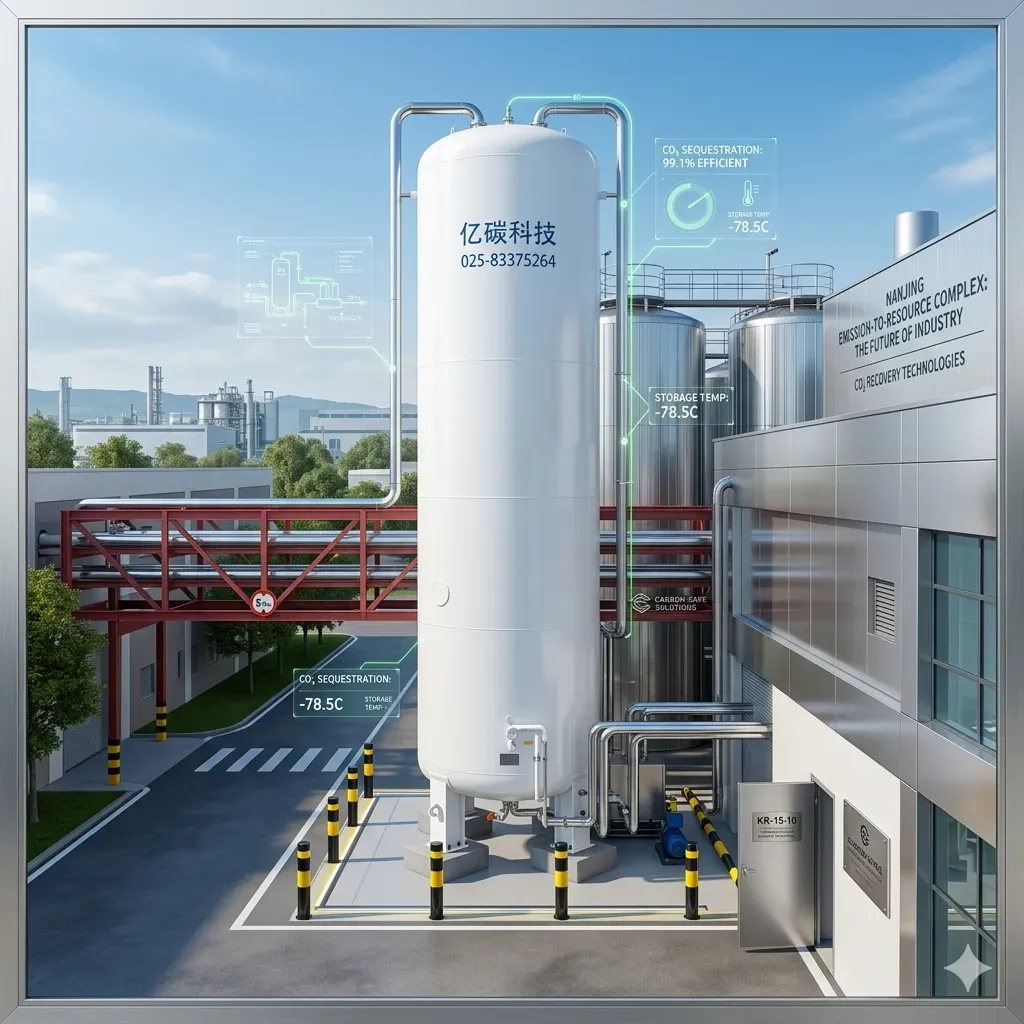
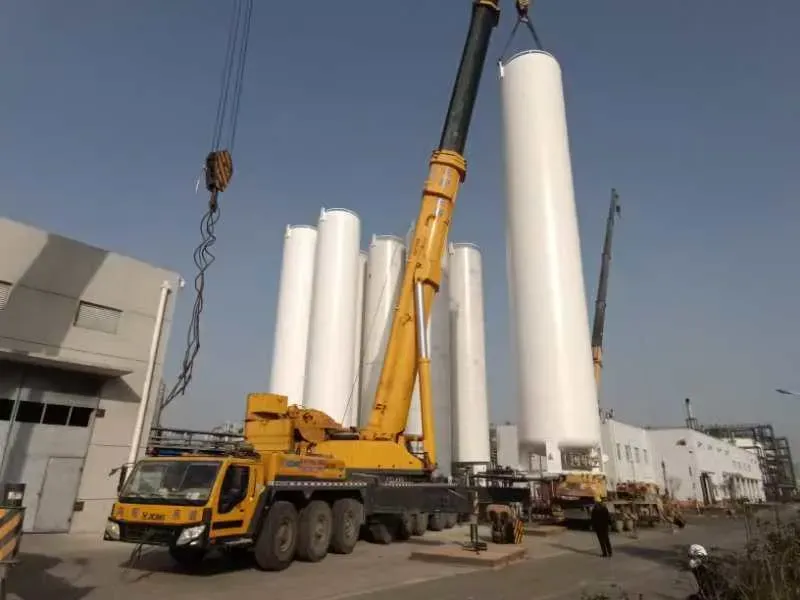
The purified liquid CO₂ is transferred to insulated storage tanks for on-site use, transportation, or commercial distribution.
Why Recover CO₂ from Chemical and Industrial Processes?
- Recover a Valuable Resource
CO₂ contained in industrial gas streams can be recovered instead of being released, turning an otherwise wasted process stream into a valuable product.
- Reduce CO₂ Emissions
Capturing and utilizing CO₂ can help industrial facilities reduce direct CO₂ emissions and improve overall resource utilization.
- Reduce External CO₂ Dependence
Recovered CO₂ can provide an alternative source for plants that currently purchase CO₂ from external suppliers, improving supply flexibility and reducing exposure to market fluctuations.
- Produce High-Purity Liquid CO₂
With appropriate purification and liquefaction processes, recovered CO₂ can be converted into high-purity liquid CO₂ for applications that require controlled product specifications.
- Customized for Complex Gas Conditions
Industrial gas streams can vary significantly in pressure, temperature, CO₂ concentration, and impurity composition. YTC designs the process according to the actual feed gas rather than applying a single standard configuration to every project.
Applications of Recovered CO₂
Depending on the final product specification and applicable regulations, recovered liquid CO₂ can be used in a variety of applications, including:
• Food and beverage processing
• Dry ice production
• Greenhouse CO₂ enrichment
• Chemical processing
• Industrial gas applications
• Welding and metal processing
• Water treatment
• Commercial liquid CO₂ supply
YTC CO₂ Recovery & EPC Solution
YTC provides integrated CO₂ recovery, purification, liquefaction, storage, and EPC solutions for complex industrial gas streams.
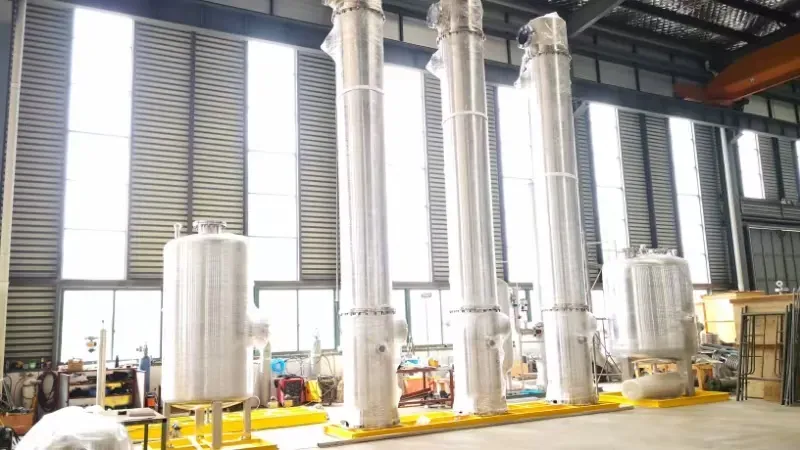
With 20+ years of experience in CO₂ treatment and recovery and 200+ projects completed worldwide, YTC combines process engineering, equipment manufacturing, installation, commissioning, and technical support within a single project solution.
Each CO₂ recovery plant is developed according to the customer’s feed gas composition, CO₂ concentration, gas flow rate, operating conditions, required product quality, and downstream application.
From feed gas analysis to final liquid CO₂ storage, YTC helps industrial customers recover valuable CO₂ efficiently, improve resource utilization, reduce external CO₂ dependence, and create additional value from existing process streams.