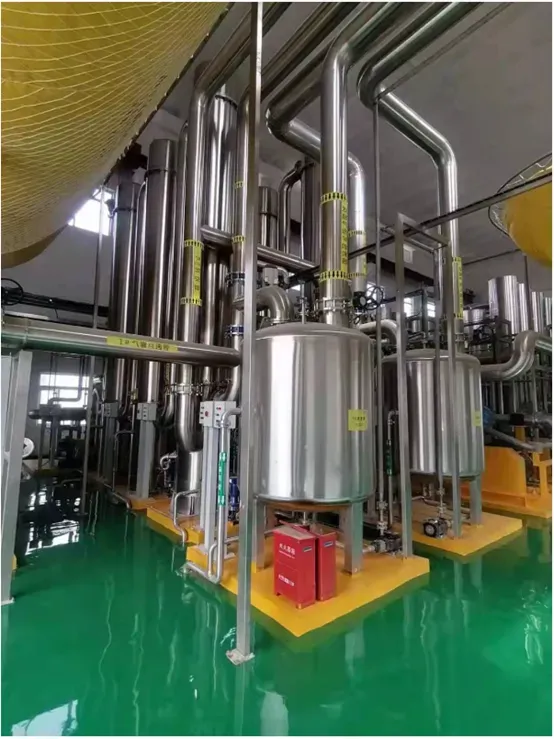
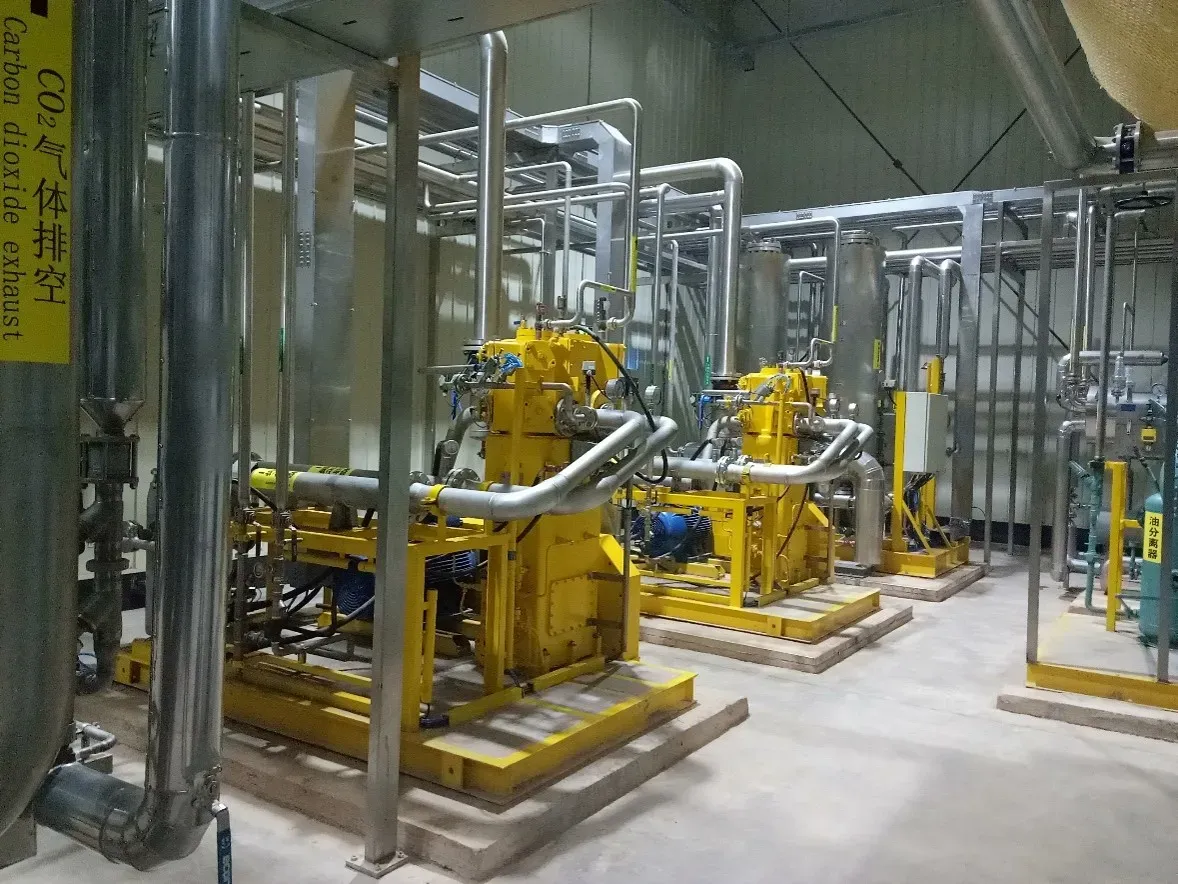
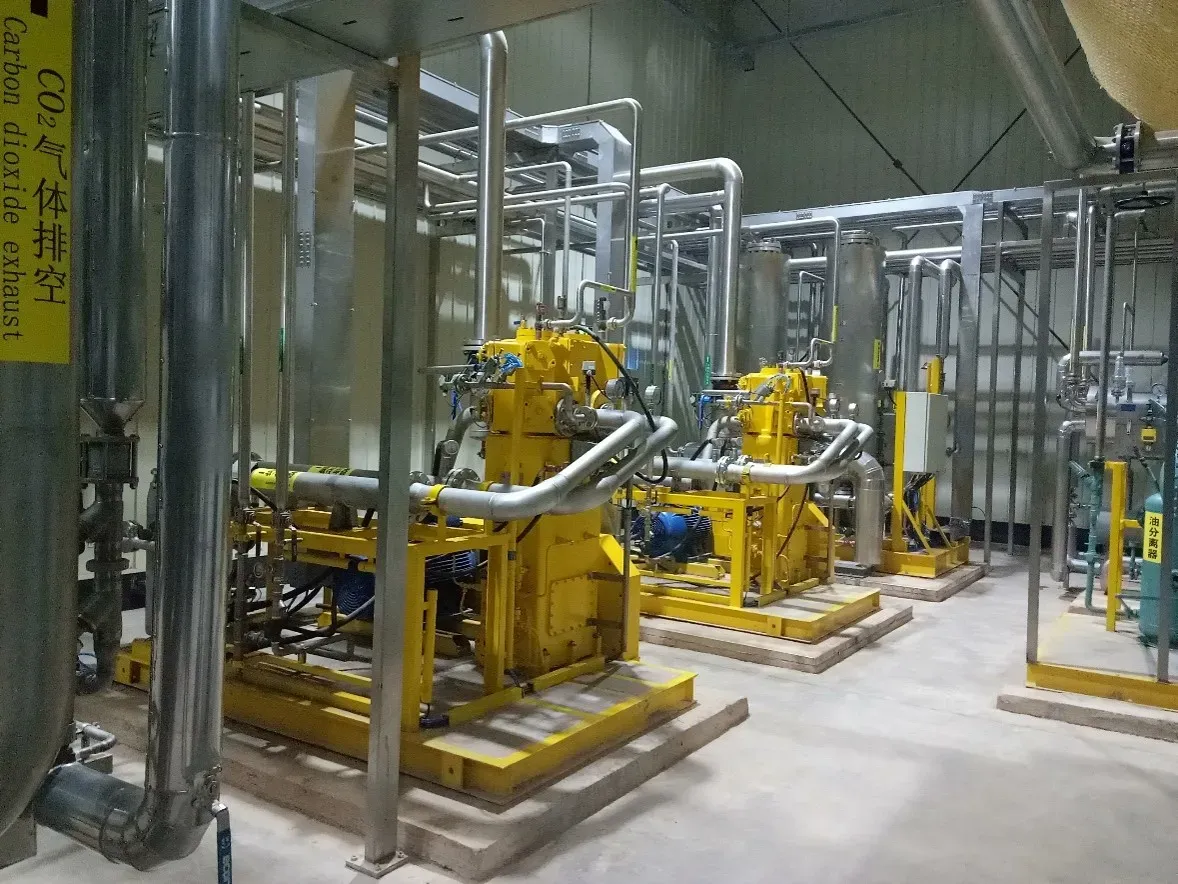
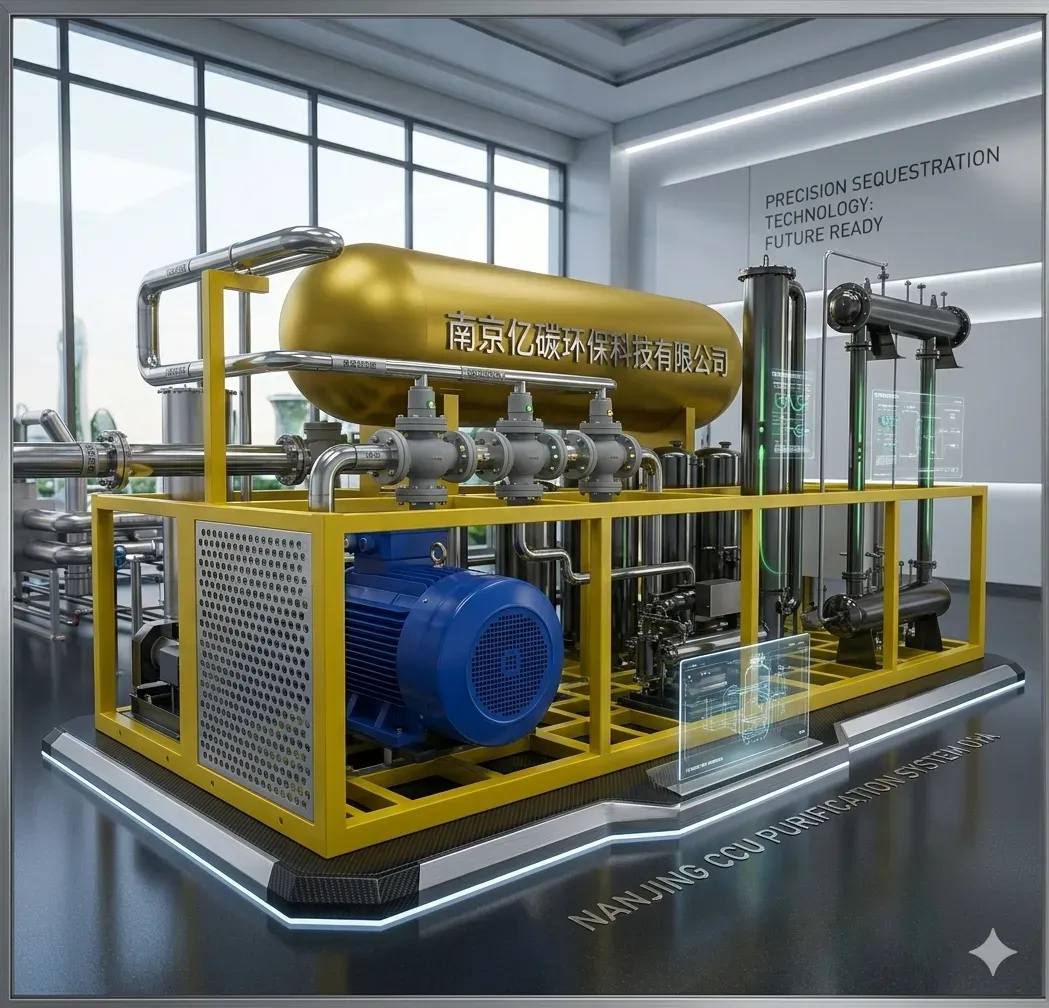
Flue gas generally refers to the high temperature and low carbon dioxide concentration tail gas emitted by power plants, boiler plants, lime kilns, cement plants, etc., from coal, gas, oil or heating. The flue gas contains 8-35% CO2. This system uses MEA to absorb carbon dioxide at room temperature. After the concentration section, the carbon dioxide undergoes adsorption, drying, cooling, heat exchange and enters the rectification tower for rectification to remove sulfur and nitrate. Impurities such as oxygen, nitrogen and water vapor are stored in storage tanks for users to use.
Petrochemical and chemical exhaust gas generally refers to the high-concentration carbon dioxide tail gas emitted from the reaction and separation devices of petrochemical plants, fertilizer plants, hydrogen plants and other chemical plants. Petrochemical and chemical exhaust gases generally contain 80-99% CO2, as well as impurities such as sulfur, carbon monoxide, hydrogen, nitrogen, oxygen, benzene, and water vapor. The stupid system uses water washing, water separator to remove dust and cool down, special adsorbent adsorption, desulfurization, dehydration and hydrocarbon removal, and combined with distillation tower distillation to remove methane, hydrogen, nitrogen, carbon monoxide, oxygen and other impurities.
Process description
1) Raw gas generated by fermenting microorganisms is captured
2) Gas scrubbers purify the gas from any alcohol and aerosols
3) The gas is compressed to reduce volume
4) Then the gas is purified and dried to reduce the relative humidity, prior to liquefaction
5) Gas liquefaction reduces volume and also acts as a first purification step that separates the condensed CO₂ from non-condensable gases, including O₂ and N₂
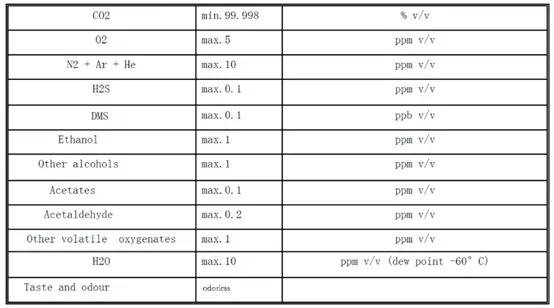
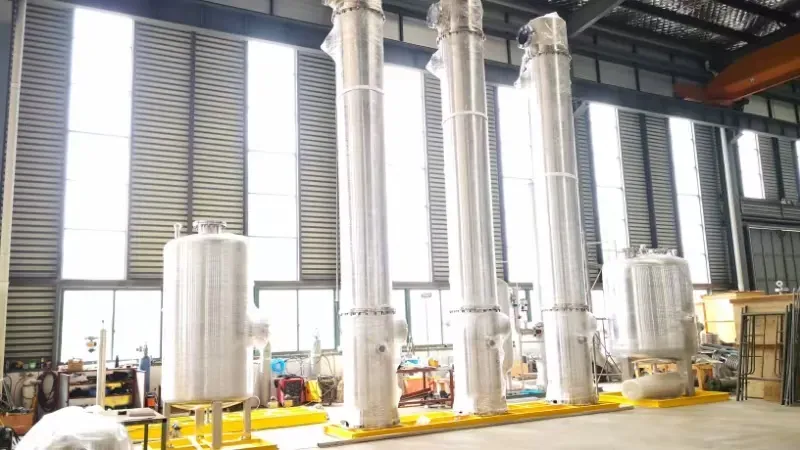
6) In the stripping and reboiler unit the O₂ content is further reduced to less than 1 ppm. This step results in 99.998% food-grade purity CO₂
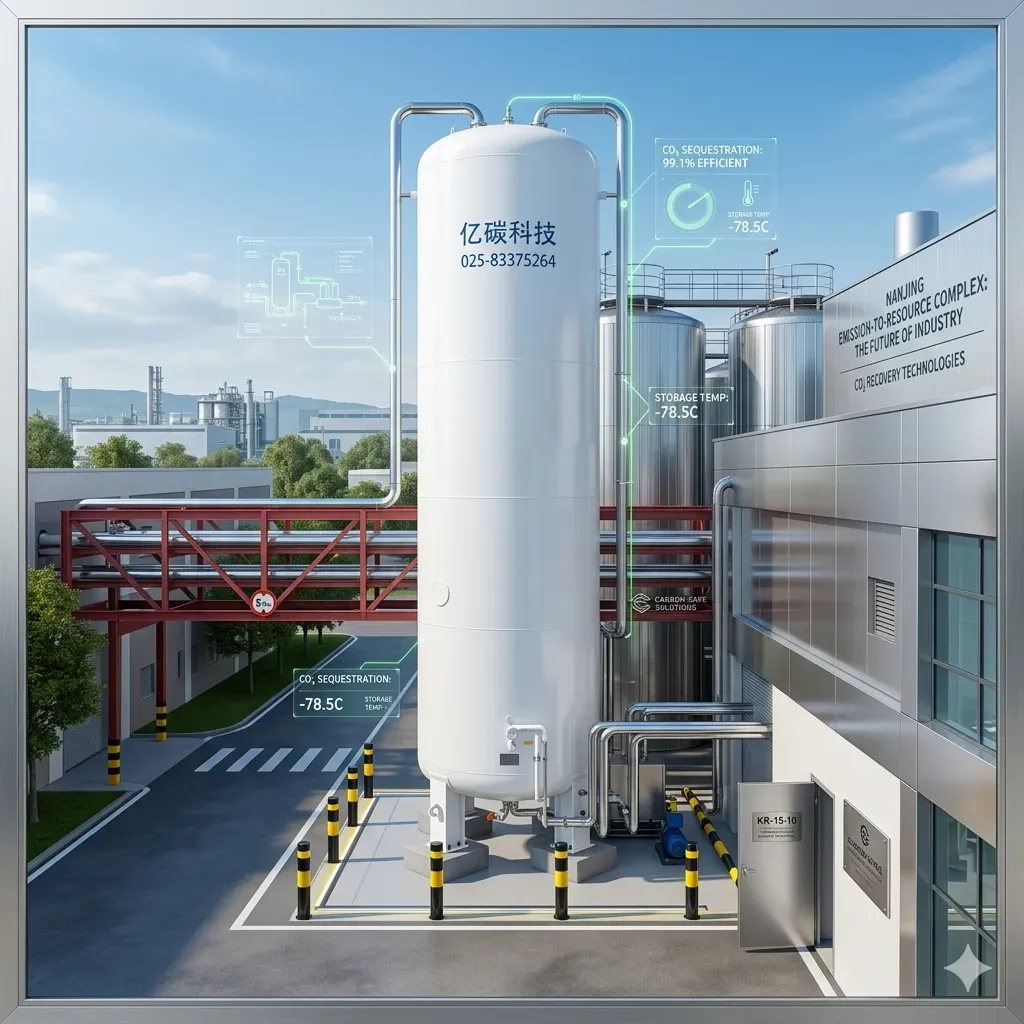
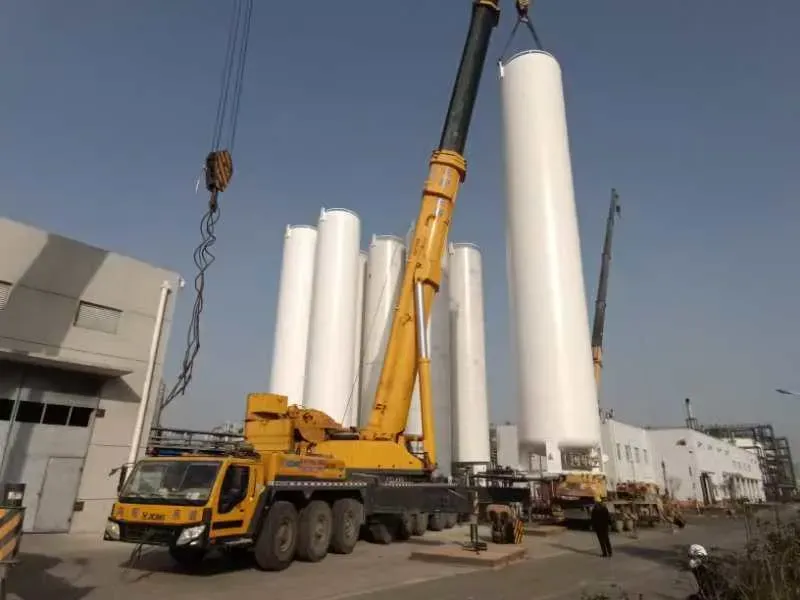
7) The purified, liquid CO₂ is then stored until required